 United States
There's never a good time to fall from grace. But for Damon Jones — former NBA wing, 2016 champion with Cleveland, and one-time assistant coach — the timing couldn't be harsher. It was inside a federal courthouse in Brooklyn that he uttered the word no one in his circle saw coming: guilty.
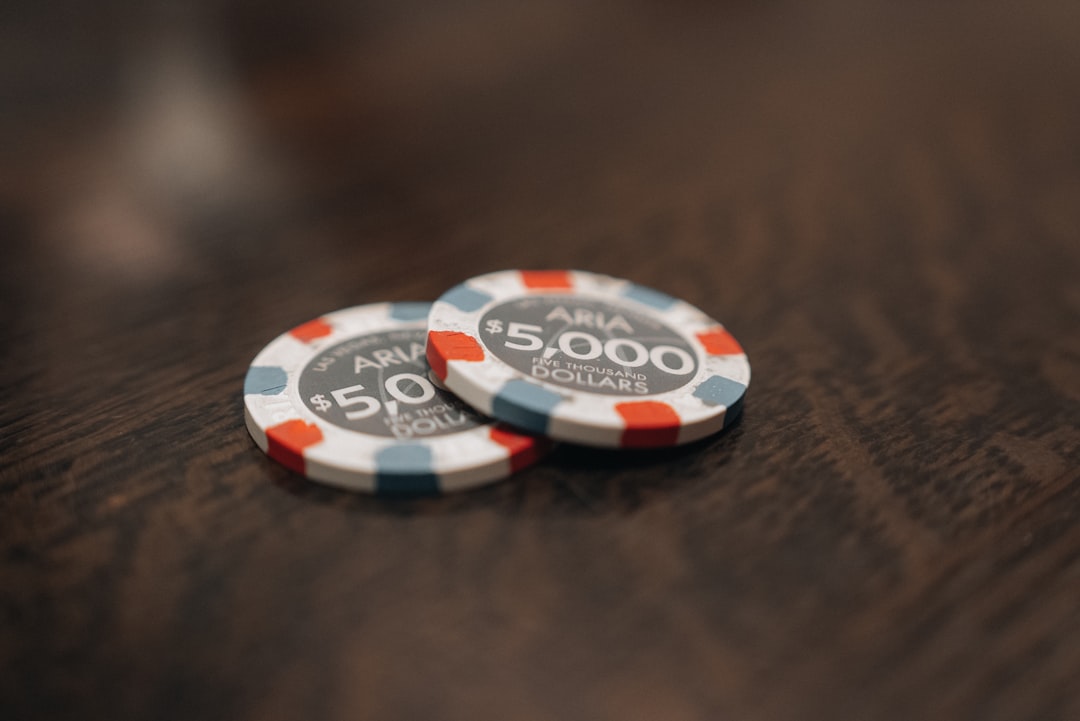
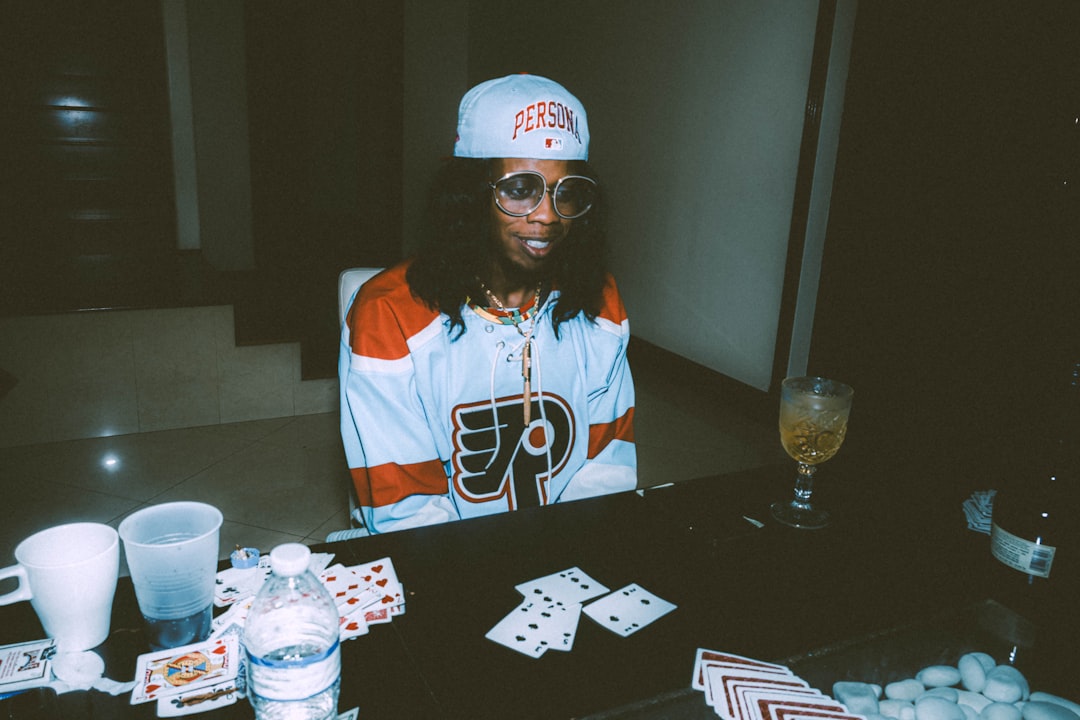
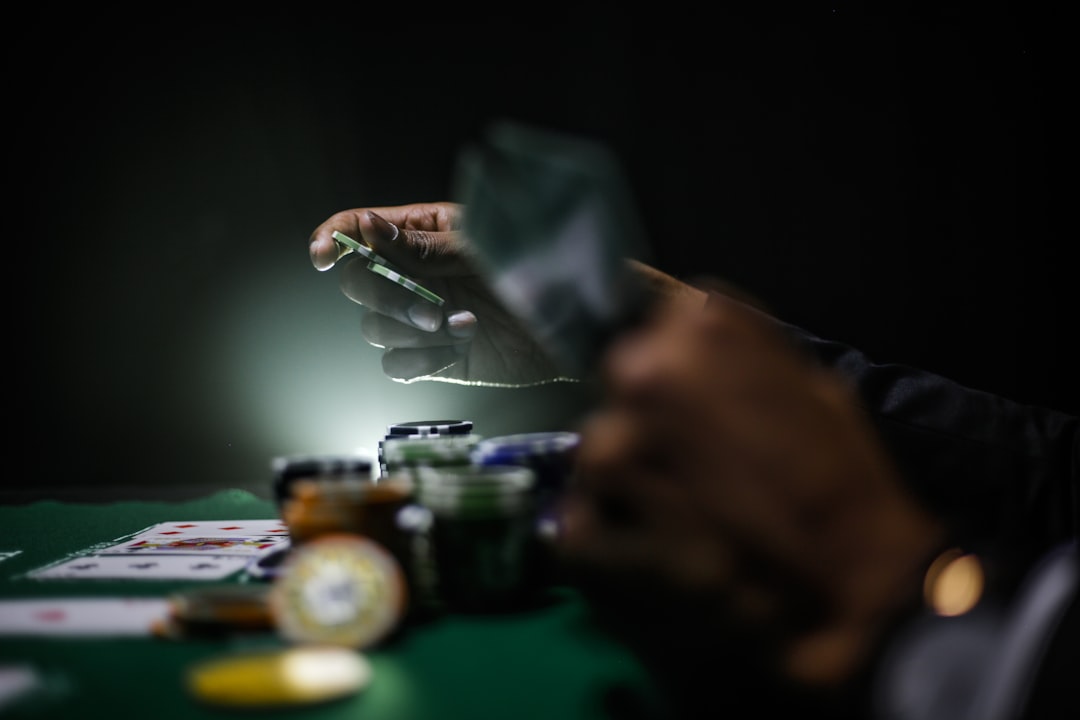
Jones is the first defendant to plead guilty in a case centered on high-level rigged poker games organized across the United States. His role? That of a "face card" — a celebrity whose mere presence at the table was enough to reassure, seduce, and convince deep-pocketed players to sit down in games whose outcomes were, at least in part, fixed in advance.
How the Trap Was Sprung
The scheme, as it emerges from court documents, was a sophisticated con. Organizers recruited recognizable faces — athletes, public figures, entertainment personalities — to lend legitimacy to private games targeting whales: players capable of losing hundreds of thousands of dollars in a single sitting. Having a former NBA star at the table created a sense of trust, of normalcy. The trap closed without a sound.
Jones's misconduct didn't stop there. He also admitted to passing inside information to sports bettors during his time as a coaching assistant — data capable of influencing odds, outcomes, and wagers, in blatant violation of the integrity rules governing American professional sports.
A Wake-Up Call for an Entire Scene
Across the United States, where high-stakes private poker games have multiplied in major cities — Los Angeles, New York, Miami — this case raises questions the community has long preferred to leave unasked. Who oversees these games? Who guarantees their integrity? Is the presence of a well-known personality a stamp of legitimacy, or is it, precisely, a red flag?
The Jones case exposes a structural weakness: private poker, even at the highest stakes, remains a loosely regulated space where reputation substitutes for contract and celebrity can be weaponized as a tool of manipulation.
Other defendants in this case have yet to speak. Brooklyn may not have delivered its final verdict — and the list of implicated figures could still grow. For the American poker scene, the time for speculation is over: this is a collective indictment of its most opaque practices.